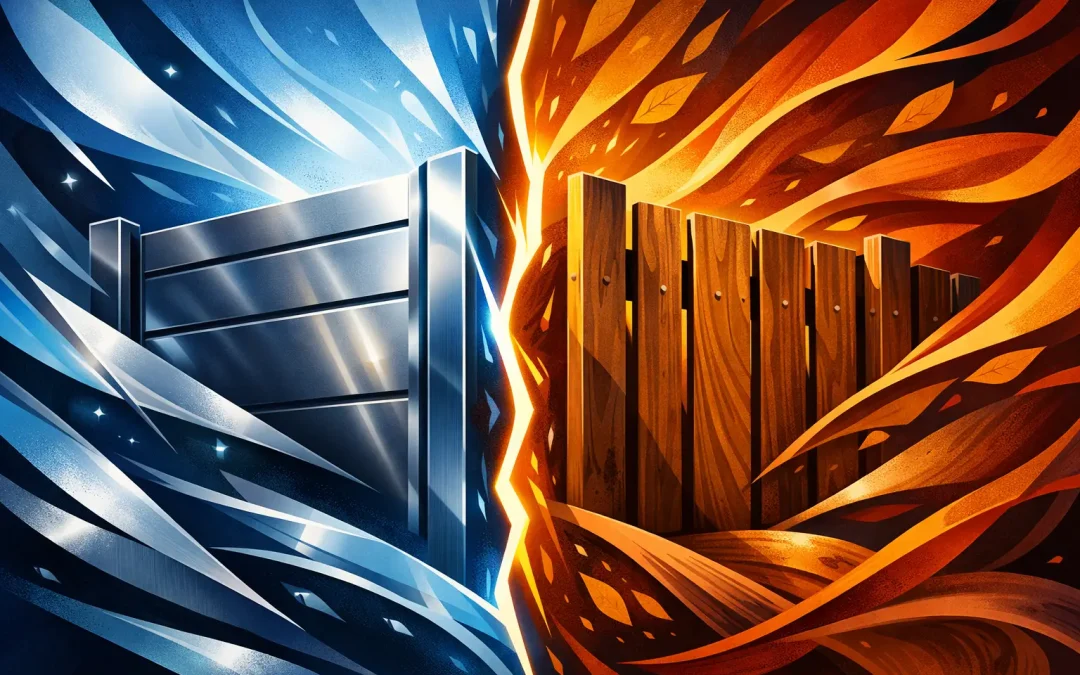
A gate can look right on day one and still be the wrong choice five winters later. That is usually where the real decision sits with aluminium gates vs timber – not simply appearance, but how the material performs in Scottish weather, how much upkeep it asks of you, and whether it still suits the property as the years pass.
For some buyers, timber has immediate appeal. It feels familiar, warm and traditional, particularly around rural homes and period properties. For others, aluminium offers a more practical route – clean lines, long-term durability and very little maintenance. The best option depends on what matters most to you: appearance, lifespan, security, automation, budget, or the amount of time you want to spend looking after it.
Aluminium gates vs timber: what really matters?
When customers compare materials, they often start with style. That makes sense, because the gate is one of the first things people see. But style alone rarely settles it. A gate also has to cope with rain, frost, wind, daily use and, in many cases, automation.
That is why the more useful comparison is performance over time. A material that looks attractive but needs repeated treatment, adjustment or repair can become expensive and frustrating. Equally, a material that performs well but looks out of place on the property is not the right answer either. The strongest choice usually comes from balancing visual fit with practical demands.
Appearance and design flexibility
Timber gates are chosen largely for character. They suit cottages, farm entrances, traditional driveways and properties where a softer, more natural finish is preferred. Grain, texture and stain options can give timber genuine charm, and for some settings that look is hard to replace.
Aluminium has a different advantage. It offers far more flexibility than many buyers expect. It can be manufactured in contemporary styles, traditional designs, estate-style formats and ornate patterns inspired by classic metalwork. Powder-coated finishes are available in a wide range of colours, so the end result does not need to look stark or overly modern.
For homeowners trying to match existing railings, fencing or architectural details, aluminium is often easier to tailor than timber. Bespoke sizing, decorative tops, privacy infills and coordinated pedestrian gates all help create a more complete finish. In commercial settings, that design control becomes even more useful, because appearance needs to sit alongside access control, perimeter security and day-to-day reliability.
Weather resistance in Scotland
This is where the comparison starts to shift.
Timber is a natural material, and natural materials move. With regular exposure to rain and cold conditions, timber can absorb moisture, swell, contract and gradually deteriorate. That does not mean every timber gate fails quickly, but it does mean performance depends heavily on timber quality, installation quality and ongoing maintenance.
In Scotland, where wet weather is hardly unusual, that matters. A timber gate may need staining, painting or sealing at intervals to stay protected. Without that attention, problems such as warping, rot and surface breakdown become more likely.
Aluminium is far better suited to those conditions. It does not rot, it does not rust, and it stands up well to moisture without demanding regular treatment. That is one of the main reasons buyers move away from both timber and mild steel. If you want a gate that keeps its shape and finish with minimal intervention, aluminium is the easier material to live with.
For coastal properties or exposed sites, that advantage becomes even clearer. Salt air, driving rain and harsh winds tend to expose weaknesses quickly. Aluminium is simply less vulnerable to the kinds of environmental pressures that shorten the life of timber.
Maintenance and ongoing ownership costs
Initial purchase price often dominates early conversations, but maintenance costs deserve just as much attention.
Timber can look cost-effective at the start, particularly in standard sizes. The longer-term picture is different. To keep it in good condition, you should expect periodic treatment and occasional remedial work. Hinges and fittings may also need adjustment if the gate moves over time. If the finish starts to fail, the gate can quickly lose its visual appeal.
Aluminium is popular for the opposite reason. Once installed, it requires very little routine maintenance beyond general cleaning and basic checks on hardware or automation components. The finish remains stable, and the material itself is not vulnerable to the same decay issues as wood.
For busy homeowners, developers and estate managers, that lower maintenance burden is often the deciding factor. It reduces ongoing spend, saves time and gives more predictable long-term value. In practical terms, that can make aluminium the more economical choice even if the upfront cost is higher than a basic timber gate.
Strength, security and everyday use
A gate is not just decorative. It needs to secure an entrance and stand up to regular operation.
Timber can be strong, especially in substantial designs, but strength varies with timber species, thickness, construction quality and age. Over time, repeated exposure to moisture and temperature changes can affect stability. A gate that was once square and solid may begin to drop or twist, particularly if it is wide or heavily used.
Aluminium offers a strong strength-to-weight ratio. That is an important distinction. It is lighter than steel, but still highly durable when properly fabricated. A well-made aluminium gate can provide excellent security while placing less strain on posts, hinges and automation equipment.
That lower weight is especially useful on larger driveways, commercial entrances and automated systems. Smooth operation matters. A gate that is too heavy or prone to movement can create wear on motors and hardware, leading to more adjustment and servicing over time.
For high-traffic sites, reliability often matters more than sentiment. If the gate opens and closes repeatedly through the week, aluminium usually makes more sense from a performance and maintenance perspective.
Aluminium gates vs timber for automation
Not every gate will be automated, but many buyers want the option, even if they are not installing it straight away.
Timber can be automated, but it is not always ideal. Weight, movement in the material and changing alignment can make automation more complicated. If the gate swells or shifts, the system may need recalibration or added maintenance to keep everything operating correctly.
Aluminium is generally better suited to automation. Its lighter weight helps reduce stress on motors and operating equipment, while its dimensional stability supports smoother, more consistent performance. Whether you are considering swing gates, sliding gates, bi-folding systems or a bespoke entrance arrangement, aluminium gives you a more automation-friendly base.
That matters for residential driveways and even more so for commercial sites where gates may be integrated with barriers, intercoms, access control or timed entry systems.
Cost: upfront price versus long-term value
There is no single answer on price because specification changes everything. Size, design detail, finish, hardware and automation all affect the final figure.
At the entry level, a simple timber gate may cost less than a bespoke aluminium alternative. That is often what draws people towards timber in the first place. But cost should be judged over the life of the gate, not only at the point of purchase.
If a cheaper gate needs regular treatment, earlier replacement or more adjustment work, its value starts to weaken. Aluminium usually performs well in that comparison because its maintenance demands are low and its lifespan is strong. Buyers looking at the bigger picture often find that aluminium justifies its price through reduced upkeep and better durability.
For developers and commercial buyers, whole-life cost matters even more. When a material lowers future maintenance and minimises disruption, that has clear operational value.
When timber is still the right choice
A fair comparison should acknowledge that timber still suits some projects very well.
If you are restoring a traditional property, matching existing timber joinery, or aiming for a distinctly natural rural look, timber may be the better aesthetic fit. Some buyers are also happy to carry out regular maintenance because they prefer the appearance enough to justify it.
There are also situations where a short- to medium-term budget decision leads someone towards timber. If appearance is the main priority and the gate is in a relatively sheltered setting, timber can still be a reasonable option.
The key is going in with realistic expectations. Timber is not maintenance-free, and in exposed conditions it will ask more of you.
When aluminium is the stronger choice
Aluminium tends to come out ahead when durability, low maintenance and long-term value are high priorities. It is particularly well suited to exposed locations, busy households, automated entrances and commercial applications where reliability matters.
It also works well for buyers who want design flexibility without taking on the upkeep associated with wood. That includes modern homes, traditional properties needing a metal-style finish, shared developments, estates and business premises.
For many customers across Scotland, that balance is exactly why aluminium has become the preferred alternative. Companies such as Aluminium Gates Scotland work with homeowners and commercial buyers who want a gate that looks the part on installation day and still performs properly years later.
The best material is the one that matches how the gate will actually be used. If you want natural character and do not mind the upkeep, timber can still earn its place. If you want a gate that stays smart, resists the weather and keeps maintenance to a minimum, aluminium is usually the more dependable investment. The right decision starts with being honest about your property, your budget and how much work you want the gate to create after it is fitted.